

Animal Welfare Handling for Poultry Processing (AMPLSK201)
Nationally Accredited Competency in Humane Poultry Handling
Ethical treatment and humane handling are core pillars of modern poultry processing. This course provides the essential skills and knowledge required to identify animal welfare issues and maintain compliance with industry standards during the handling of poultry at processing facilities. Grounded in the AMPLSK201 unit of competency, the program focuses on practical, humane methods that protect the welfare of the birds while ensuring the highest possible carcass and meat quality.
Participants will explore the critical link between stress-free handling and final product integrity. While primarily based on research involving chickens and turkeys, the principles taught apply across all poultry species, including layers, ducks, geese, and game birds. By the end of this course, you will understand the full scope of your responsibilities, from the moment of receival to preparation for slaughter, ensuring that every bird is handled with the care required by both regulation and good industry practice.
Who Should Enrol
- Poultry Handlers: Personnel responsible for the receival, shackling, and movement of birds.
- Processing Staff: Individuals involved in the preparation and humane slaughter of poultry.
- Animal Welfare Officers: Staff designated to monitor and uphold welfare standards at processing sites.
- Supervisors & Team Leaders: Leaders overseeing welfare compliance and WHS risks during handling.
Accreditation
- Unit code: AMPLSK201 – Handle Poultry Humanely.
- National Recognition Statement: This is a nationally accredited unit of competency. Successful participants receive a Statement of Attainment.
- RTO details: Training is delivered by AUS-MEAT (RTO Number: 7085).
What You Will Learn
- Identify stress and welfare issues in poultry using industry-standard indicators.
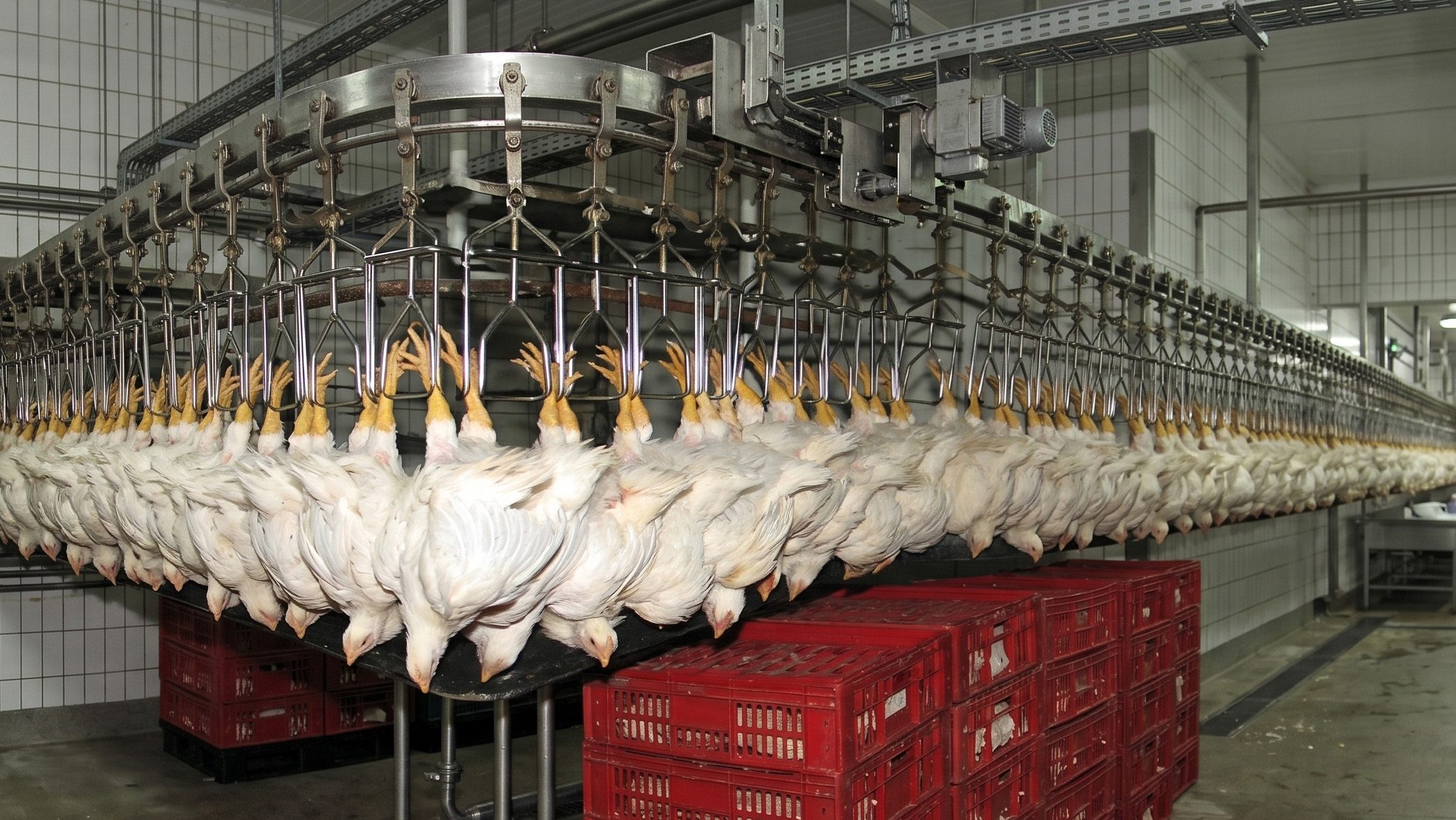
- Apply correct handling and shackling techniques to minimise distress and injury.
- Manage the receival process in accordance with good industry practice and animal welfare requirements.
- Understand the role of the Animal Welfare Officer and how welfare is monitored on-site.
- Execute humane killing methods that meet regulatory and ethical standards.
- Limit WHS risks for personnel while maintaining a focus on animal safety.
Course Topics and Core Skills
- Welfare Foundations: Why humane handling is mandatory and how it directly affects carcass and meat quality.
- Species-Specific Knowledge: Applying welfare principles to meat chickens, layers, turkeys, ducks, and game birds.
- The Handling Cycle: Best practices for receival, identification, and preparation for slaughter.
- Practical Shackling & Slaughter: Mastering the physical skills required for humane and efficient processing.
- Monitoring & Responsibility: Identifying who is responsible for welfare and how to maintain industry standards.
Why This Training Matters in Industry
Humane handling is not just a regulatory requirement; it is a quality requirement. Poor handling leads to stress and bruising, which significantly degrades meat quality and increases waste. This course empowers processing facilities to demonstrate sound ethical practices to global trading partners while ensuring a safer, more efficient workplace for all staff.
Delivery Format
- Workplace Assessment: Skills must be demonstrated in a real-world processing facility or an environment that accurately represents true workplace conditions.
- Practical Interaction: The course involves hands-on interaction with real animals, interaction with a work team, and the use of workplace procedures.
Assessment Requirements
To demonstrate competency, an individual must satisfy all elements and performance criteria of the AMPLSK201 unit.
- Physical Demonstration: Applying safe and humane handling requirements in the processing facility.
- Procedural Compliance: Following specific workplace advice on safe work practices, animal welfare, and safety.
- Equipment Use: Correct use of Personal Protective Equipment (PPE) and handling tools.
Entry Requirements
- Prerequisites: There are no formal prerequisites for this training.
- Language Proficiency: A sound understanding of English is required for all training and assessments.
- Access: Participants must have access to a facility with real animals for handling and processing to complete the assessment conditions.
What’s Included
- Expert Tuition: Practical instruction on good industry practice and regulatory requirements.
- Learning Materials: Comprehensive workbooks and safety guidelines.
- Certification: Issue of a Nationally Accredited Statement of Attainment (AMPLSK201).
Frequently Asked Questions
Is this course nationally recognised?
How long do I have to complete it?
When will I receive my certificate?
What happens if I don’t pass?
Is this accepted in my state?
Can my employer enrol multiple staff?
How long is the certificate valid?
What is the refund policy?
Upcoming Course Dates
-
Principles and applications of HACCP (FBPFSY3002, FBPFSY5001)Full
-
Social Compliance Auditor Training
-
Principles and applications of HACCP (FBPFSY3002, FBPFSY5001)
Get in Touch
Have questions? Send us a message and we’ll get back to you within 24 hours.