
The era of transparency-only reporting is coming to a close. For the last several years, many large Australian organisations viewed their modern slavery obligations as a yearly paperwork exercise. However, the Modern Slavery Act Australia 2026 updates have fundamentally changed the stakes.
The conversation has shifted from simply reporting on risks to proving that you are actively managing them. For the agribusiness sector, which has been placed squarely in the spotlight by the new Anti-Slavery Commissioner, this means moving toward a proactive model of mandatory due diligence.
Why the Anti-Slavery Commissioner is Labelling Agribusiness as High Risk
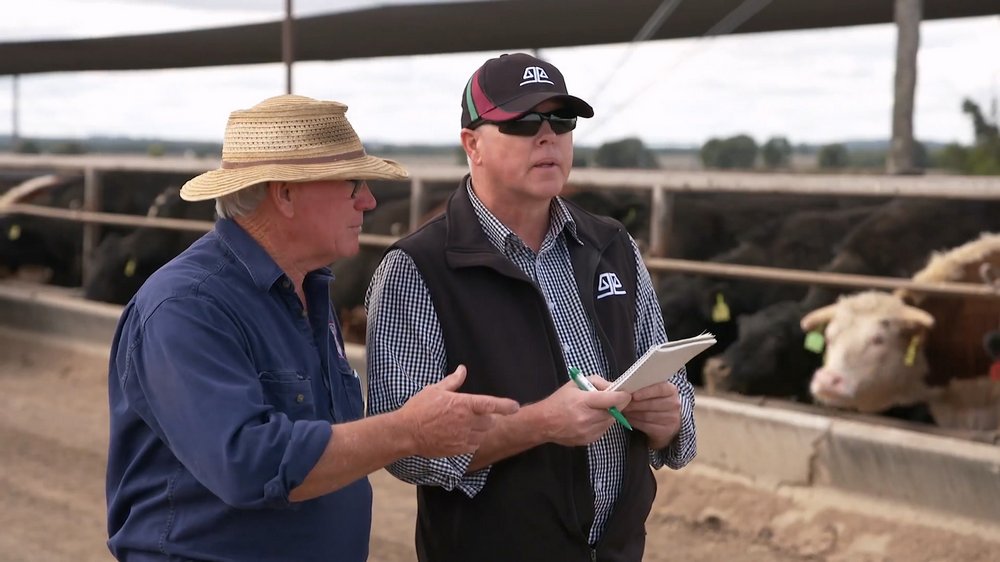
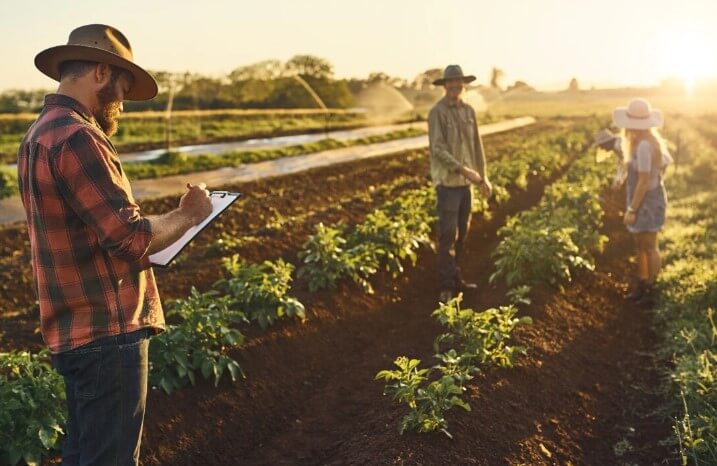
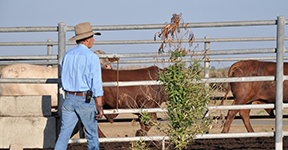
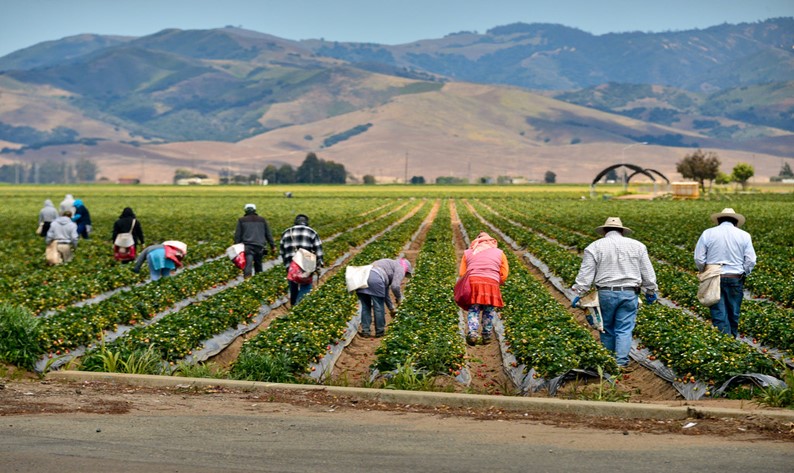
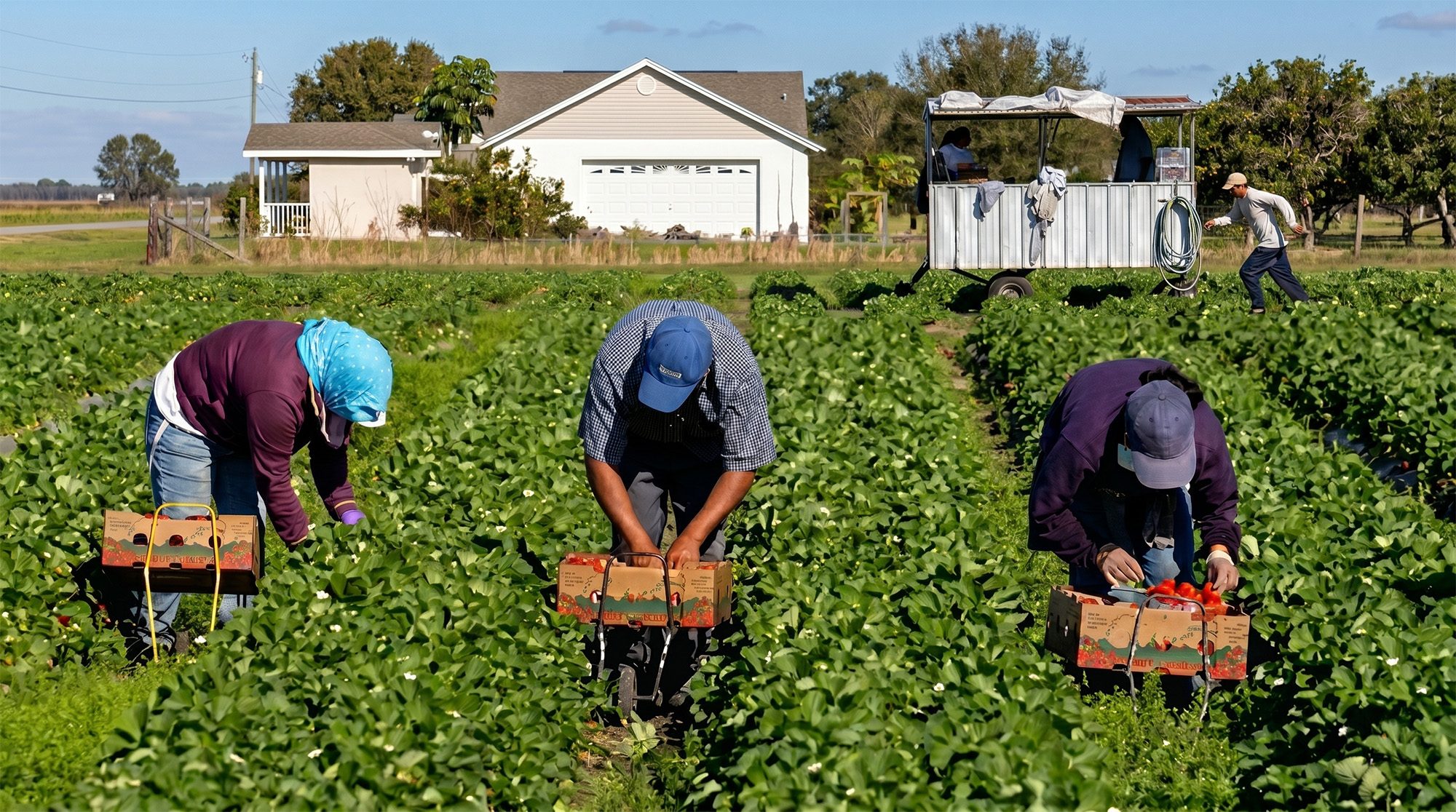
A central feature of the 2026 reforms is the expanded power of the Anti-Slavery Commissioner to issue formal declarations of high risk. In his recent position papers, the Commissioner has been clear: the reliance on seasonal labour, complex labour hire arrangements and remote worksites means that the regulator is now labelling agribusiness as high risk.
This is not just a label; it is a trigger for heightened scrutiny. If your organisation operates within a declared high-risk industry or sources from one, your modern slavery reporting must now demonstrate a much higher level of oversight. You can no longer rely on a supplier’s letter of assurance. You must be able to show that you have verified those claims through active social compliance monitoring.
Transitioning to a Mandatory Risk-Based Modern Slavery Due Diligence Obligation
The most significant change in the Modern Slavery Act Australia 2026 updates is the move toward a mandatory due diligence framework. This means reporting entities are now legally required to take reasonable and proportionate action to prevent and address modern slavery risks within their operations and supply chains.
Under this new obligation, reasonable action often includes:
- Supplier Auditing: Conducting independent social compliance audits on high-risk suppliers both in Australia and overseas.
- Grievance Mechanisms: Implementing clear, accessible channels for workers to raise concerns without fear of retaliation.
- Remediation Processes: Having a pre-established plan to support and protect workers if instances of exploitation are identified.
This shift is designed to create a level playing field for responsible businesses while ensuring that supply chain transparency leads to actual change on the ground.
How Agribusiness Can Stay Ahead of Stronger Due Diligence Expectations
With the introduction of civil penalties for non-compliance and the potential for public non-compliance notices, the cost of getting this wrong has never been higher. To future-proof your organisation, your leadership team should focus on three key areas:
- Risk Mapping: Go beyond your Tier 1 suppliers. Use industry data to identify where the highest risks of labour exploitation exist in your deeper supply chain.
- Internal Governance: Ensure that social compliance is a standing item on your board agenda. Modern slavery is now a material business risk, not just a CSR initiative.
- Specialised Training: Invest in social compliance auditor training for your procurement and site managers. The ability to spot the red flags of exploitation during a site visit is your best defence against an audit failure.
Does the mandatory due diligence requirement apply to SMEs?
What are the penalties for false or misleading modern slavery statements?
What is the best way to prove supply chain transparency?
Ready to Lead on Social Integrity?
In 2026, integrity is a mandatory ticket for global market access. Ensure your team has the skills to navigate these complex reforms and protect your brand’s reputation. Explore our specialised social compliance auditor training at the new home of AUS-QUAL.