
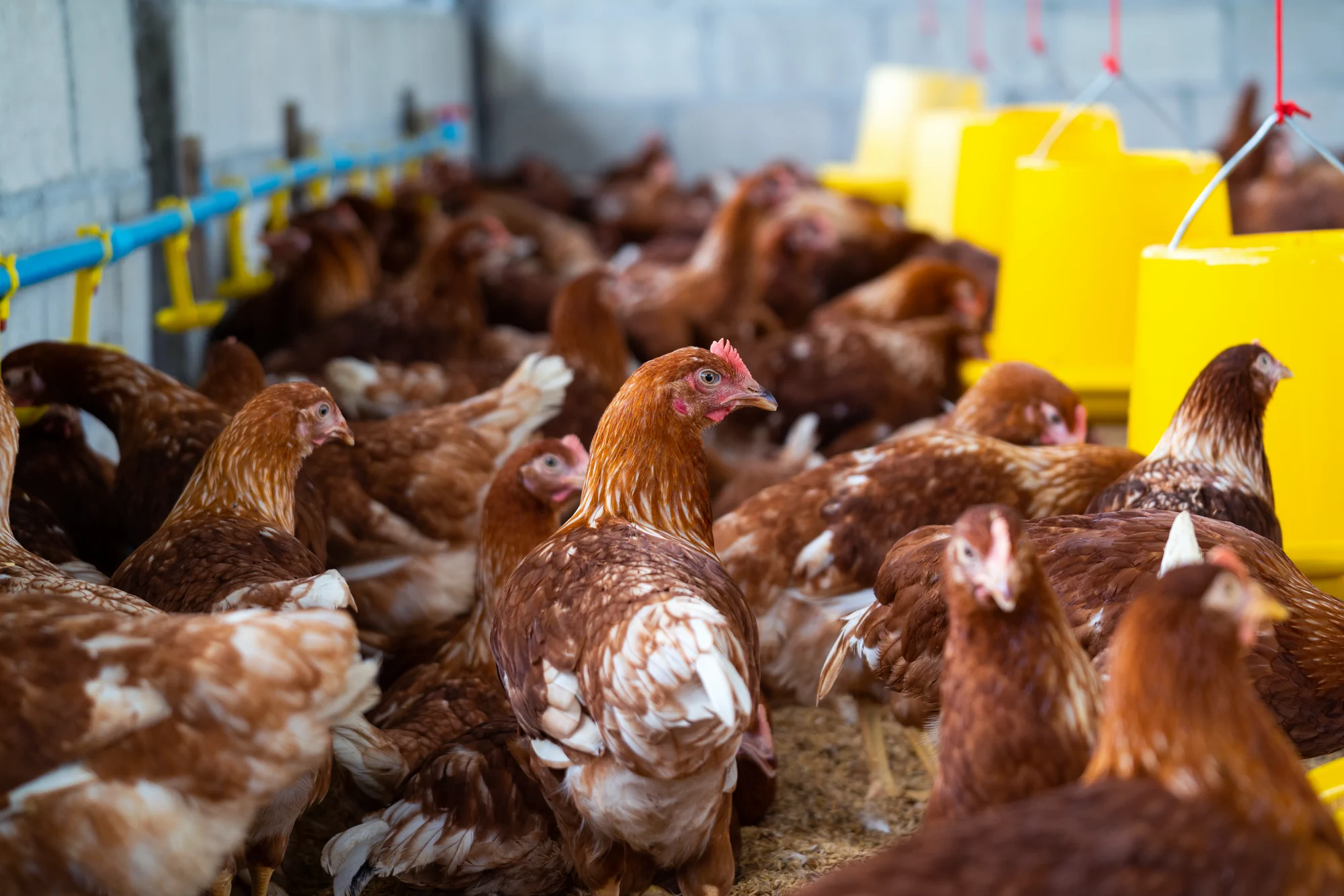
Discover how transitioning from traditional stock management to modern handling techniques creates a safer, more predictable environment for both your team and your livestock.
The modern poultry production sector operates at an impressive scale where efficiency and quality go hand in hand. Across the Australian agribusiness landscape, industry leaders are realising that animal well-being is completely intertwined with commercial profitability. When looking to achieve peak performance, investing in professional education is a powerful asset that streamlines daily workflows and builds lasting trust with premium commercial partners.
Fostering a proactive understanding of bird care gives your organisation the capability to excel while supporting a workplace culture that prioritises excellence from the shed straight through to the final distribution phase.
Livestock handling techniques vs traditional methods: which is safer?
The transition toward modern, low-stress livestock handling techniques has delivered extraordinary operational benefits compared to the traditional methods of flock management. Historical practices often relied heavily on speed and physical containment, which could inadvertently elevate bird stress and increase the risk of minor processing variations. In contrast, modern, scientifically backed livestock handling techniques work seamlessly alongside natural bird behaviour to create a calm, predictable environment.
This professional approach is significantly safer for both the birds and the frontline handlers. Using slow, predictable visual movements and optimised environmental controls eliminates sudden panic, which noticeably reduces workplace incidents and supports excellent staff morale. For forward-thinking producers, choosing advanced methods over traditional methods is a logical, high-value step toward maintaining a safe, efficient and harmonious workplace.
The Commercial Value: Meat Quality and Processing Yields
Investing in comprehensive poultry welfare training provides a clear, measurable business case that strengthens the bottom line of a commercial facility. High standards of bird well-being and exceptional economic performance are entirely compatible because they actively support each other.
- Enhanced Meat Quality: Birds managed with modern animal welfare handling practices experience much lower stress levels. From a scientific perspective, minimising stress preserves the natural muscle chemistry of the bird, which directly improves final meat quality. This ensures consistent product colour, excellent water-holding capacity and a superior shelf life that premium retail partners value.
- Optimised Processing Yield: Implementing sophisticated standards dramatically reduces the incidence of minor tissue bruising or downgrades during processing. This means a higher percentage of birds achieve top-grade classification, directly maximising the commercial value of every single flock within poultry production.
- Global Market Access: International trading partners and major domestic supermarkets consistently reward organisations that can verify their commitment to premium care. Demonstrating accredited training unlocks premium supply contracts and strengthens consumer confidence in your brand.
Supporting Workplace Efficiency in the Poultry Industry
In a high-throughput facility, managing day-to-day risk is a regular priority for the leadership team. Staff who have undergone structured poultry welfare training are far better equipped to recognise early physiological and behavioural indicators of stress or environmental imbalances long before they impact production.
By integrating verified guidelines into daily routines, managers can turn compliance into a smooth, natural component of the working day. This reduces unexpected variations in the production cycle, protects the workforce from manual handling hazards and ensures that your facility maintains peak operational continuity year-round across the broader poultry industry.
How does stress impact product outcomes in poultry production?
What are the primary benefits of shifting away from traditional methods?
Is animal welfare handling training beneficial for frontline supervisors?
Align Your Training Strategy with Your Business Goals
Position your poultry operation for premium market success and complete retail confidence to lead the industry.
Explore how our tailored poultry welfare training and specialised animal welfare handling modules can support your workplace goals today.