

Discover a practical framework to streamline your workplace review, empower your team, and demonstrate your commitment to ethical operations.
The global agribusiness market increasingly values workplaces that celebrate fair treatment, safety, and transparency. Across the Australian commercial sector, undergoing a voluntary or requested review of your workplace practices is a brilliant opportunity. It allows you to showcase your excellent corporate culture, optimise your internal systems, and position your brand as a preferred partner for premium buyers.
Approaching this milestone with a clear, organised strategy ensures the process goes smoothly while highlighting your proactive dedication to leadership and social compliance.
Why Are Social Compliance Audits Triggered by Customers and Retailers?
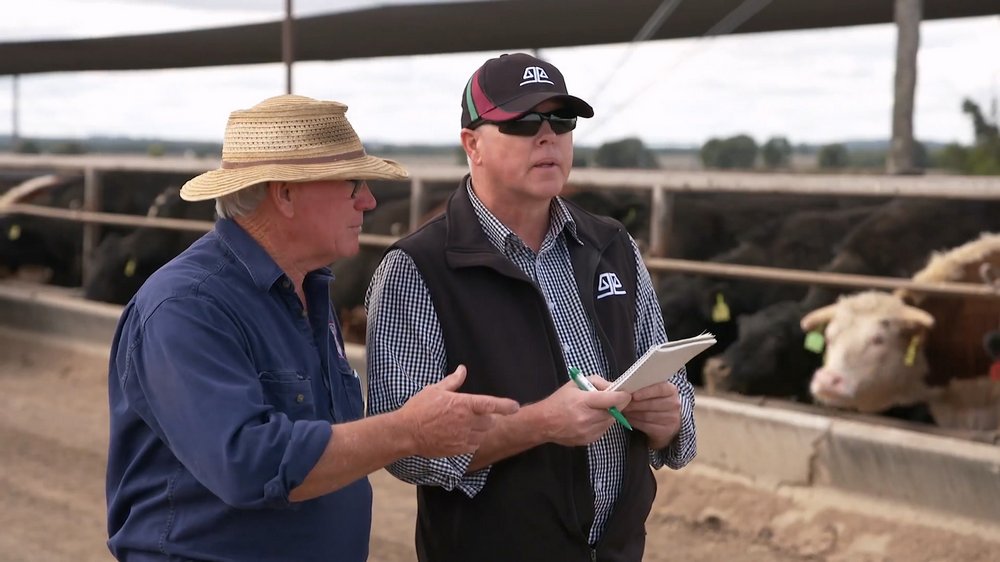
For many processing facilities and agricultural business owners, the request to schedule an evaluation comes directly from a primary commercial customer or supermarket partner. Modern retailers operate under strict guidelines to ensure supply chain transparency. Because consumers care deeply about ethical sourcing, major supermarkets reward suppliers who can independently verify that their workforce operates under safe, fair, and supportive conditions.
When a customer requests a social compliance audit, it is a positive sign that they want to build a long-term commercial relationship with you. Fulfilling these retailer requirements demonstrates that your business is a reliable, forward-thinking leader capable of meeting the highest standards of integrity in the modern marketplace.
Your Practical 5-Step Guide to Preparing for Social Compliance Audit in Australia
Following these structured steps will help you organise your documentation and give your management team complete confidence.
1. Centralise Employment and Wage Records
The foundation of a successful evaluation is clear bookkeeping. Gather all relevant employment contracts, time sheets, and recent payroll summaries to demonstrate full compliance with Australian workplace laws and modern awards. Ensuring that wage rates, overtime calculations, and leave entitlements are clearly mapped out makes it simple for an independent reviewer to verify your fair pay practices.
2. Update Workplace Health and Safety Documentation
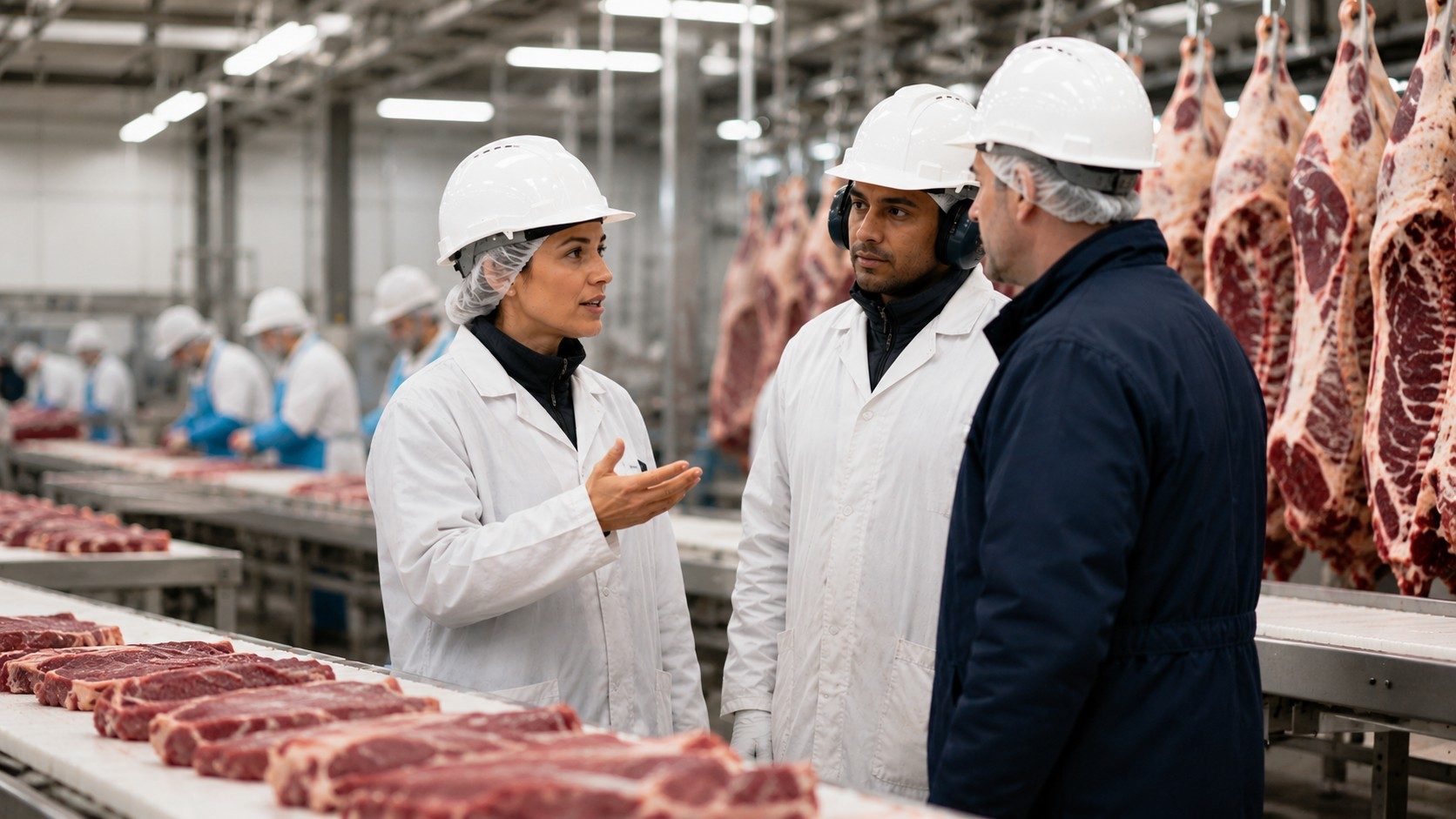
A safe workplace is a productive workplace. Review your current safety manuals, incident logs, and risk assessment records. Ensure that all safety signs are clearly visible on the processing floor, that emergency exits are completely clear, and that your team has up-to-date certifications for any specialised machinery they operate.
3. Review Labour Hire Provider Agreements
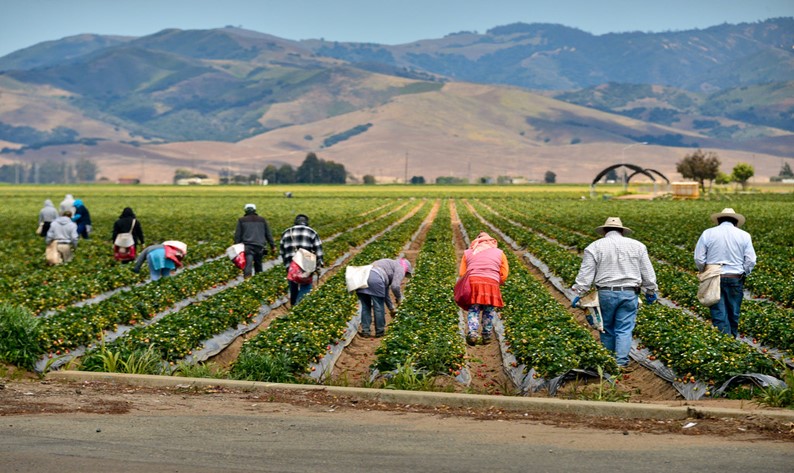
If your facility utilises seasonal workers or third-party labour hire companies, ensure these partners are fully licensed and operate with the same high standards of integrity as your own firm. Keeping copies of their active licences and compliance statements on file proves that your dedication to fair work extends through every branch of your operation.
4. Foster Open Workplace Communication
Modern evaluations often include brief, supportive conversations with frontline staff to understand their daily workplace experience. Encourage a culture of open communication by ensuring that your team understands how to use internal feedback channels and grievance mechanisms. A workplace where employees feel heard and valued is the ultimate goal of any review.
5. Invest in Professional Internal Development
The most effective way to sustain an excellent workplace culture is to build internal expertise. Providing your supervisory team with targeted social compliance training ensures that fair work principles are naturally woven into daily shift management, turning verification protocols into standard, low-stress operational habits.
The Long-Term Value for the Meat Processing Industry
While these steps apply to all agribusinesses, they hold exceptional value for the meat processing industry. Processing facilities operate with complex shifts, large workforces, and high-volume output, making strong internal leadership essential.
By prioritising professional reviews, processing facilities can stand out in a competitive global market. Choosing to lead with transparency makes it easier to attract top-tier talent, boosts daily staff morale, and satisfies international export requirements smoothly. Viewing these reviews as a tool for operational growth allows your business to unlock new commercial opportunities with confidence.
What is the primary purpose of a social compliance audit?
How does ethical sourcing benefit a primary producer?
Who should participate in leadership and social compliance development?
Align Your Training Strategy with Your Business Goals
Position your facility at the forefront of ethical agribusiness. Discover how professional development can transform your compliance requirements into an outstanding asset for commercial growth and market reputation.
Explore how our specialised training in leadership and social compliance can support your team and elevate operations across the meat processing industry today.