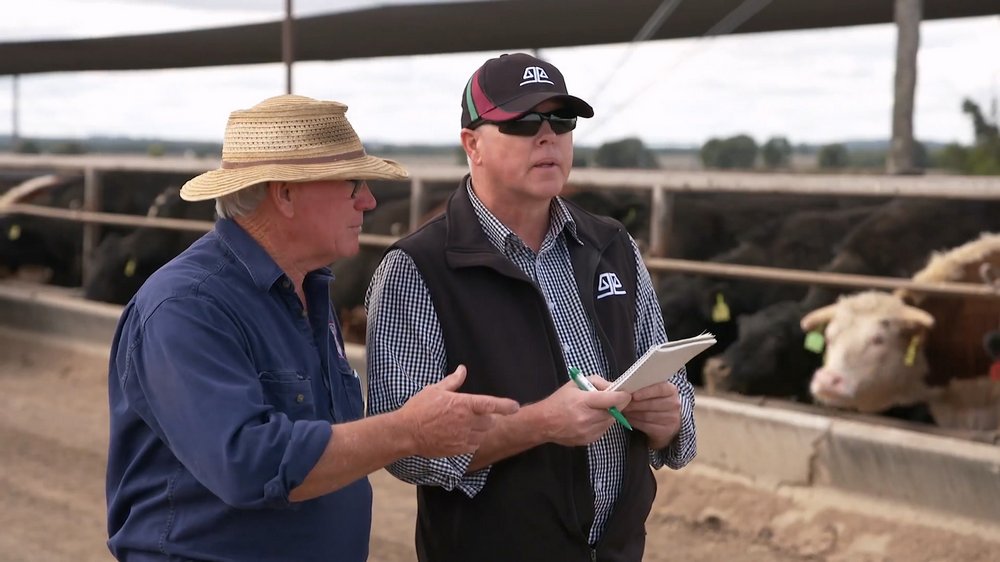

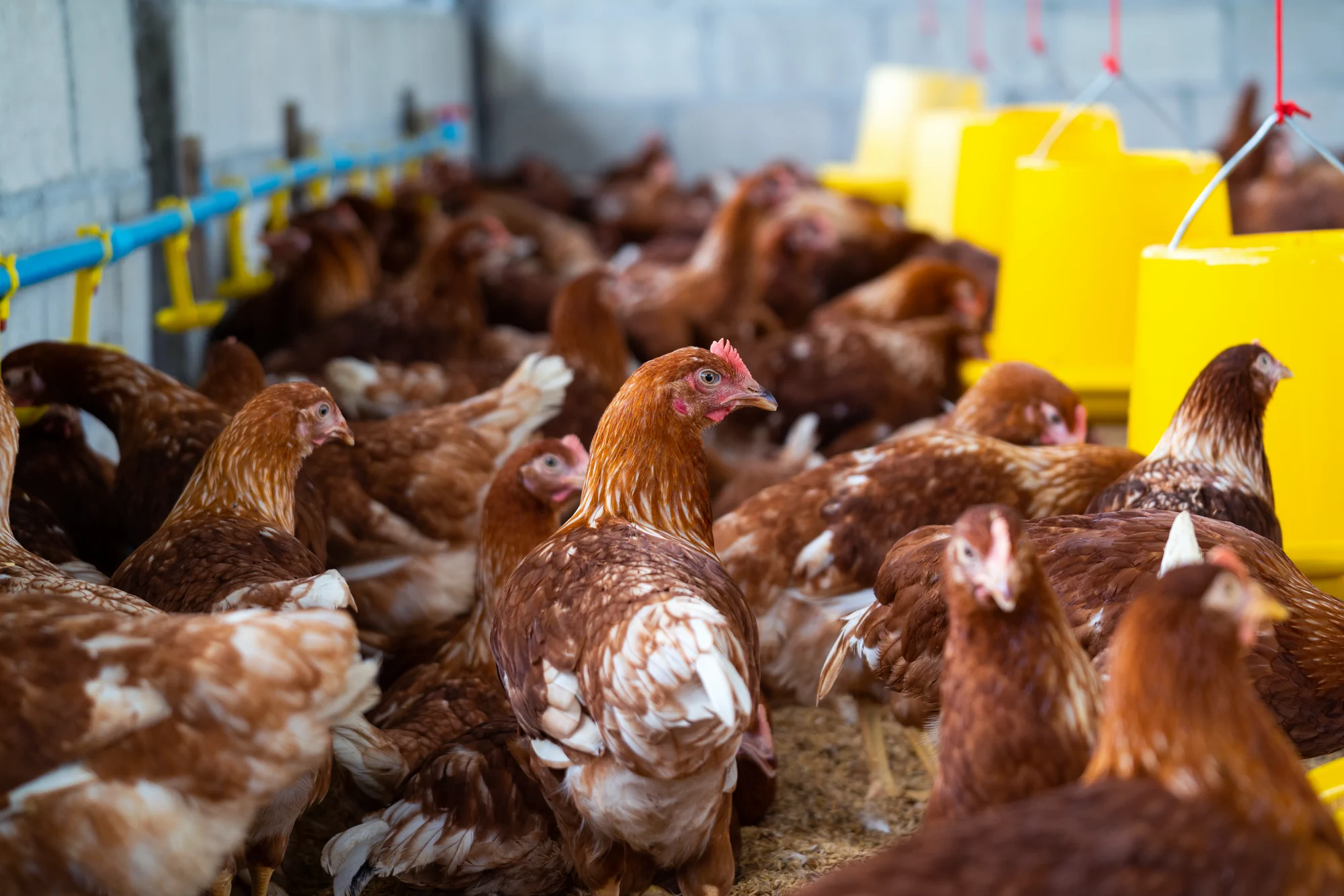
If you want to protect your bottom line, pass third-party welfare audits, and secure premium commercial supply contracts, you need animal welfare course training that converts scientific welfare standards into practical, on-the-ground performance.
Across Australian agribusiness, livestock handling has evolved from traditional stockmanship into a high-precision operational discipline. Poor handling triggers acute stress, depletes muscle glycogen, spikes carcase pH levels, and causes costly bruising that slashes grade percentages.
If you want to protect your bottom line, pass third-party welfare audits, and secure premium commercial supply contracts, you need training that converts scientific welfare standards into practical, on-the-ground performance.
Where to Begin?
The best livestock handling training course for Australian producers is one delivered by a Registered Training Organisation (RTO) with field-experienced instructors who align practical, low-stress stockmanship directly with commercial carcase outcomes.
When evaluating livestock and poultry handling programs, operations managers must look for three non-negotiable benchmarks:
- RTO Accreditation & Regulatory Alignment: The course must reflect current Australian Animal Welfare Standards and Guidelines, state prevention of cruelty legislation, and national quality assurance frameworks.
- Low-Stress Handling Methodology: Training must focus on flight zones, point of balance, and visual pressure techniques that move stock calmly without physical force or high-vocalisation distress.
- Commercial Yield Protection: The curriculum must connect calm handling directly to financial returns, showing how low-stress movement reduces muscle bruising, lowers mortality rates, and preserves meat quality grades for processing.
Courses that combine low-stress handling theory with practical, on-site shed or yard assessments deliver the highest return on investment for commercial farm managers.
Connecting Animal Welfare to Industry Standards and Quality Assurance
To unlock maximum market value, livestock handling protocols must integrate seamlessly with national quality assurance schemes and trading languages.
Producers frequently ask our auditors: what is NFAS and how does handling impact accreditation? The National Feedlot Accreditation Scheme (NFAS) is an independently audited quality assurance program managed by AUS-MEAT that underpins the integrity of Australian grain-fed beef. Under NFAS standards, documented livestock management and animal welfare protocols are mandatory prerequisites for cattle to receive grain-fed ciphers and premium market access.
Furthermore, understanding standardised trade descriptions outlined in the official AUS-MEAT handbook ensures that handling practices align with carcase grading and global specification requirements. When stock handling aligns with national grading standards, producers consistently achieve higher pack-out yields and fewer processor downgrades. five years (or if you’re relying on basic entry-level certificates to cover key decision-makers), you are exposed.
Building an Operational Hierarchy: From Handler to Designated Officer
A complete workforce capability strategy requires structured training paths tailored to different responsibilities across the facility or property.
- Entry-Level Farm Hands & Handlers: New workers entering the sector benefit from a foundational animal husbandry course that teaches basic animal behavior, safe flight-zone movement, water and feed monitoring, and daily welfare observation.
- Senior Stockhandlers & Yard Leads: Line supervisors require advanced training in low-stress movement, draft management, transport loading densities, and emergency response protocols.
- Quality Assurance & Compliance Leads: Appointing a certified animal welfare officer on site provides the dedicated oversight needed to conduct internal welfare audits, enforce low-stress handling rules, and maintain compliance records for export-registered processing plants and commercial feedlots.
Equipping designated personnel with specialised welfare oversight guarantees that your property or plant remains permanently audit-ready.
Frequently Asked Questions
What is the difference between a general animal husbandry course and accredited livestock handling training?
Why is an accredited animal welfare course essential for commercial processors and feedlots?
What are the key responsibilities of a site Animal Welfare Officer?
Elevate Your Livestock Operations Today
Protect your livestock, safeguard your processing yields, and secure your market access with industry-leading training built specifically for Australian producers.