
Sustainability is no longer a side project for Australian agribusiness; it is a condition of doing business. Retailers, processors and export partners increasingly expect proof that ethical and environmental standards are built into daily operations, not just written into a policy document. That is where the right ethics and compliance training makes the difference between a business that talks about sustainability and one that can demonstrate it.
Most of the interest in this space centres on corporate social responsibility (CSR), specifically the practical knowledge farmers and agribusiness leaders need to run a compliant and ethical operation. That means understanding your obligations under the Modern Award, structuring recruitment and labour hire correctly, and building the skills to recognise and prevent bonded labour risk within your workforce. Frameworks like the ETI Base Code give your team a clear, practical benchmark to work towards. This guide breaks down which AUS-QUAL training pathway builds that capability fastest for your team.
Why Sustainability Training Matters for Australian Agribusiness
Tier one supermarkets and global buyers are tightening their supply chain requirements. Formal training in recognised ethical and environmental frameworks helps your business meet those expectations with confidence, rather than scrambling to respond when a compliance review lands. It also protects your reputation with consumers, who are paying closer attention to how the food and produce they buy is grown, handled and processed.
For operations managers, this is not just a compliance box to tick. It is a genuine opportunity to strengthen supplier relationships, open doors to higher-value retail contracts and build a team that understands why these standards matter, not just what the standards say.
What Is Ethics and Compliance Training in Agribusiness?
Ethics and compliance training for agribusiness covers the practical skills needed to embed ethical labour practices, environmental responsibility and governance standards into everyday operations. Rather than treating compliance as a once-a-year audit event, this training equips your team to build these principles into normal business practice across horticulture, poultry and broader agribusiness operations.
SEDEX Training and Fair Farms Training: Building Ethical Supply Chains
Two of the most widely recognised frameworks in Australian primary production are SEDEX and Fair Farms. SEDEX training and Fair Farms training give emerging and existing leaders a practical toolkit for demonstrating sound governance to trading partners, covering everything from workforce welfare to supply chain transparency.
This training is particularly valuable for middle managers and executives who need to lead cultural change within their business, not just follow a checklist. It focuses on the people side of sustainable change, helping teams understand the reasoning behind ethical standards so those standards stick long after the training session ends.
SMETA Compliance: Meeting Retailer and Global Buyer Standards
SMETA compliance (Sedex Members Ethical Trade Audit) is one of the most commonly requested frameworks by major retailers and international buyers. Training in SMETA, alongside related frameworks like BSCI and SA8000, gives HR leads, compliance officers and managers a practical, in-depth understanding of the ethical trade requirements they need to meet.
This is especially useful if your business is regularly audited by retail partners or is looking to expand into new supply chains where ethical trade training is a condition of doing business.
Corporate Social Responsibility Agribusiness Training: Where to Start
If you are new to this space, corporate social responsibility agribusiness training is the natural starting point. It gives your team a foundational understanding of social compliance and ethical trade frameworks before moving into more specialised or leadership-focused training.
From there, many businesses progress their team into leadership-specific training that builds on these foundations with a focus on culture, accountability and long-term behavioural change.
Sustainable Supply Chain Training for Every Sector
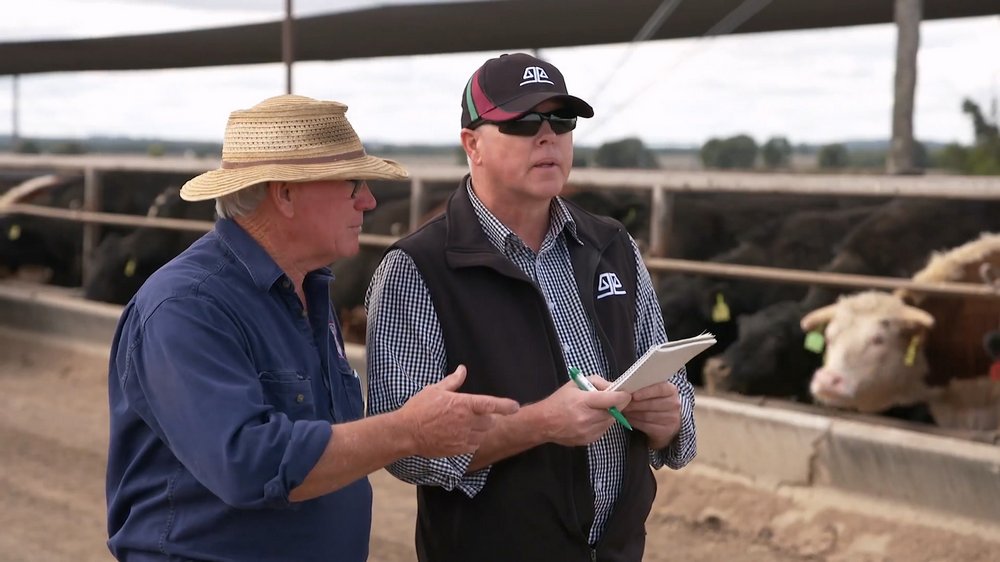
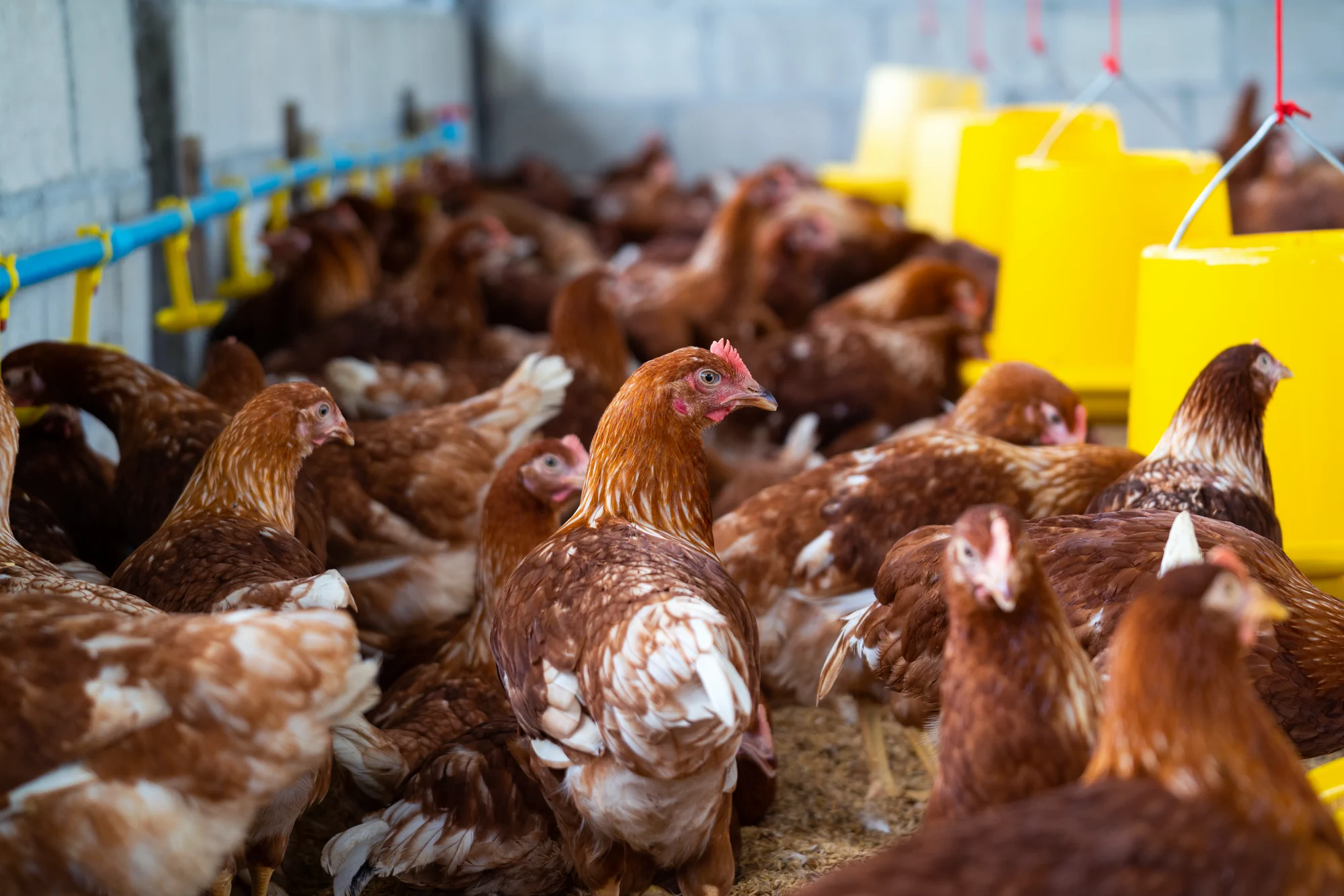
One of the strengths of this training is how broadly it applies. Sustainable supply chain training through AUS-QUAL is relevant whether your team works in horticulture, poultry and egg production, or the broader agribusiness supply chain. Sector-specific leadership pathways are also available, including a dedicated course for teams working in meat processing, so whatever your operation looks like, there is a training pathway that speaks directly to your industry context.
Which Course Is Right for You?
If your team needs a foundational grounding in ethical trade and social compliance, start with Corporate Social Responsibility for Business. If you are looking to build leadership capability and drive cultural change around sustainability across your operation, Leadership, Accountability and Corporate Social Compliance in Agribusiness is the stronger fit. Teams specifically in meat processing have an equivalent leadership pathway tailored to that sector.
Ready to set the standard for sustainable practice in your business? Explore all of AUS-QUAL’s Corporate Social Responsibility courses to find the right fit for your team.
Frequently Asked Questions
What is the difference between SEDEX and SMETA?
Can multiple staff from the same business enrol together?
Is this training only relevant to large agribusinesses?
Take Control of Your Site Compliance Today
Don’t wait for an audit non-conformance notice to highlight the gaps in your team’s qualifications. Upskill your supervisors with nationally recognised, RTO-accredited training built specifically for Australian agribusiness.