
If you are looking to move up in agribusiness, two training pathways tend to come up again and again: becoming a qualified auditor, or stepping into a leadership role. Both open doors, but they build different skills and suit different career goals. This guide breaks down social compliance auditor training and agribusiness leadership training so you can work out which pathway, or combination of the two, fits where you want your career to go.
Two Pathways, Two Kinds of Career Growth
Auditor training builds specialist, credentialed expertise. Leadership training builds the people and culture skills needed to run a team or a site. Neither replaces the other, and many of the strongest candidates for senior roles eventually complete both. The right starting point depends on where you sit now and where you want to go next.
Which Pathway Suits Your Role?
Compliance and HR Officers
If you are responsible for meeting your business’s social compliance obligations, social compliance auditor training gives you a structured, practical grounding in ethical trade frameworks and audit standards. It is built for exactly this role, translating regulatory requirements into a workable audit process you can apply on the ground.
Aspiring and Practising Auditors
For those pursuing or maintaining professional auditor status, APSCA auditor certification and CPD training auditors pathways matter directly to your ongoing accreditation. AUS-QUAL’s Social Compliance Auditor Training is APSCA-recognised and contributes substantial CPD hours toward the annual elective requirement, making it a practical way to stay current while building toward formal auditor status.
Supervisors and Emerging Leaders
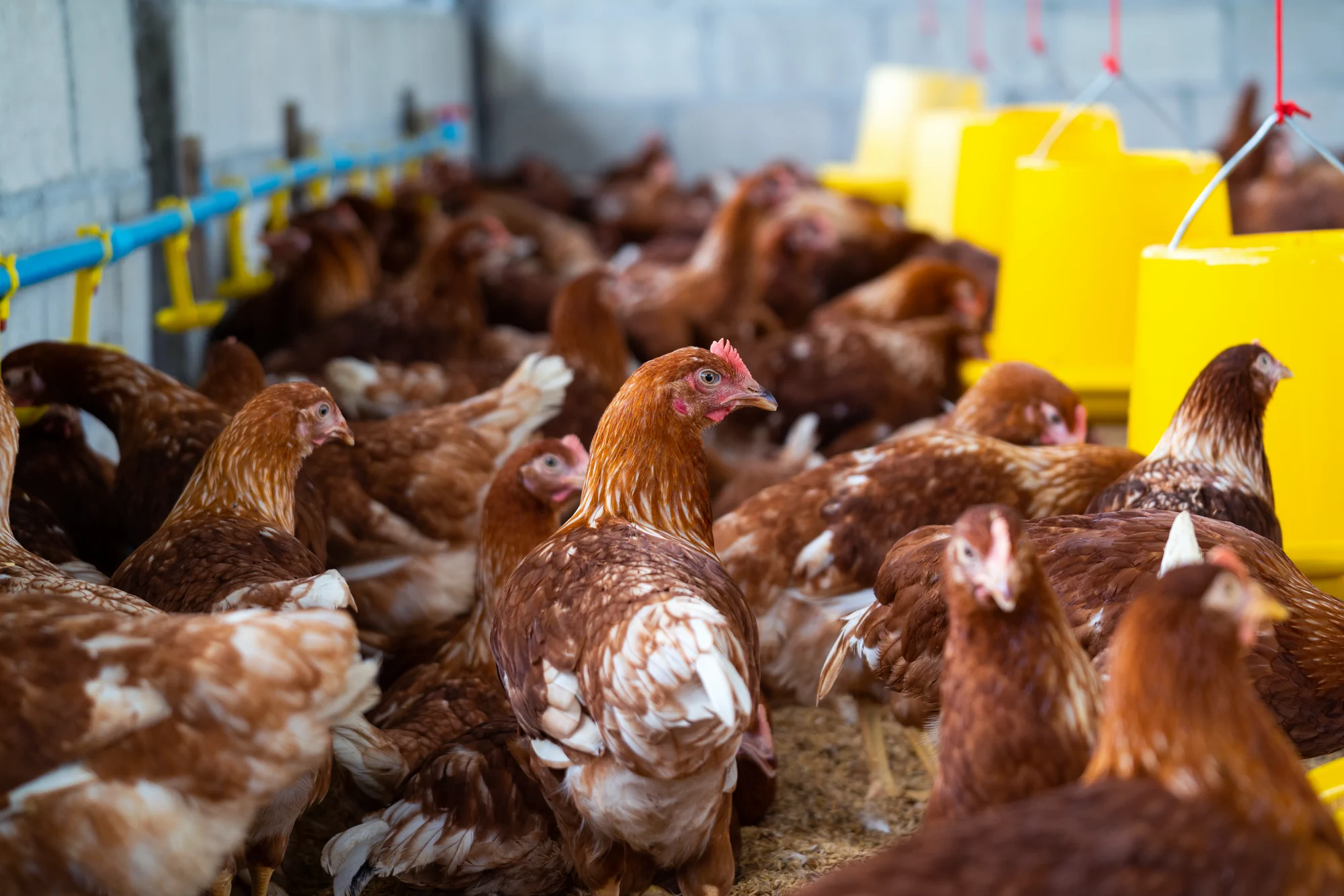
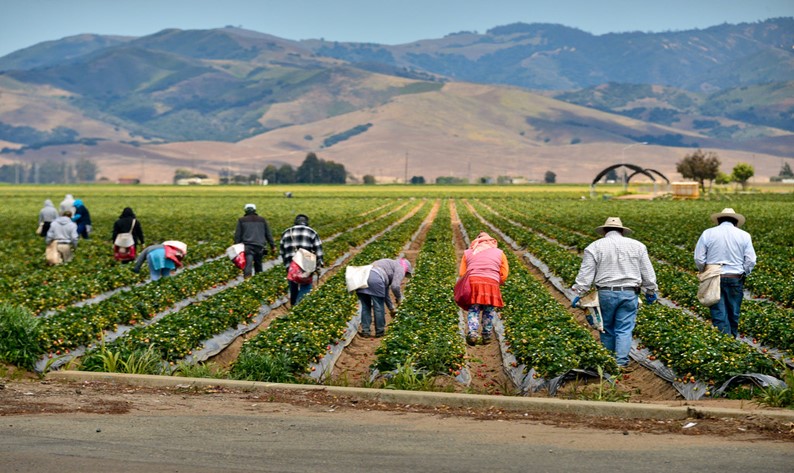
If your goal is to move from a supervisory role into management, an internal auditing course paired with agribusiness leadership training builds the two capabilities you will need together: the technical ability to assess compliance, and the people leadership skills to act on what you find. This applies whether you are working in horticulture, poultry, or elsewhere across the agribusiness supply chain, including meat processing, where a dedicated leadership pathway is also available.
Executives and Senior Decision Makers
At the executive level, the priority shifts to auditor courses in Australia and leadership training that support long-term supply chain strategy and governance, rather than day-to-day audit execution. Leadership, Accountability and Corporate Social Compliance in Agribusiness is built with this audience in mind, covering the governance and cultural change skills needed to lead sustainability and compliance strategy across a business.
Building Your Own Career Progression Pathway
For genuine career progression in agribusiness, the strongest positioning usually comes from combining both pathways over time. A typical progression looks like:
- Start with a foundational compliance course to build core knowledge
- Add Social Compliance Auditor Training to build recognised, CPD-bearing credentials
- Move into Leadership, Accountability and Corporate Social Compliance in Agribusiness to build the people and culture skills needed for management
- For those in meat processing specifically, the equivalent sector-based leadership course supports the same progression
This layered approach means you are not choosing one pathway at the expense of the other; you’re building toward a complete skill set over time.
Frequently Asked Questions
Does Social Compliance Auditor Training count toward my APSCA CPD hours?
Who is the leadership course designed for?
Can I complete both courses if I work in meat processing rather than horticulture or poultry?
Which course better supports a move into a management role?
Can my employer enrol multiple staff across different course levels at once?
Elevate Your Livestock Operations Today
Protect your livestock, safeguard your processing yields, and secure your market access with industry-leading training built specifically for Australian producers.